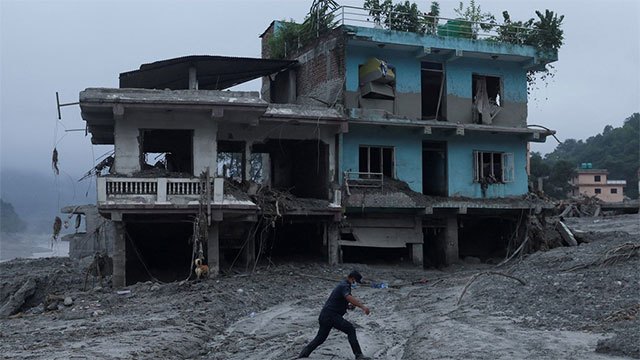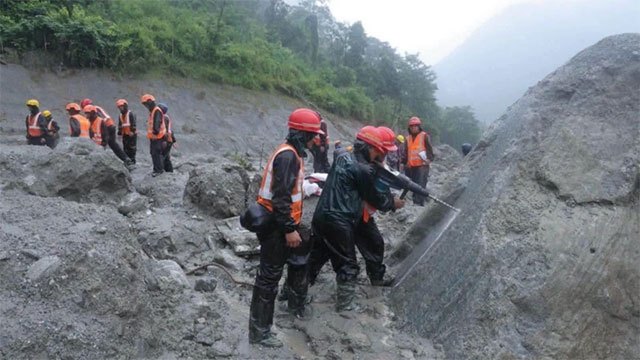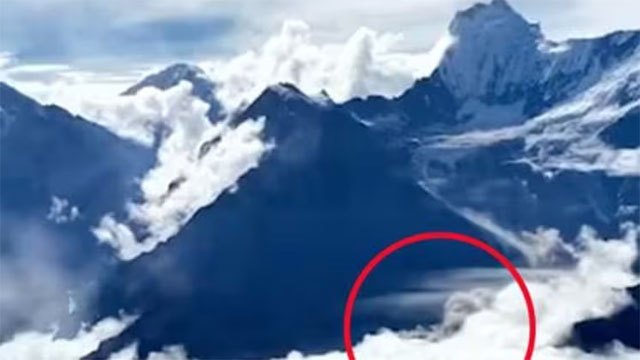
A glacial collapse near Nepal's border with China has killed at least 682 people with nearly 3,000 missing, prompting warnings from Nepali officials and UN climate leaders about accelerating climate-related hazards in the Himalayas.
A glacial collapse along the Nepal-China border on Wednesday triggered a devastating flood that has claimed at least 682 lives, according to the US Geological Survey, with nearly 3,000 people still missing as rescue operations continue. The disaster sent a torrent of debris downstream in the high-altitude region, affecting communities across the international boundary.
Nepal's Foreign Minister Shisir Khanal and UN Climate Chief Simon Stiell both highlighted the incident as evidence of climate change intensifying environmental hazards in the Himalayas. While the exact trigger for the glacial collapse remains unclear, scientists note that accelerating glacier melt worldwide—driven by global warming—increases the likelihood of such catastrophic events. Himalayan glaciers are crucial freshwater sources for nearly 2 billion people across the region.
Khanal emphasized Nepal's vulnerability despite its minimal contribution to global emissions, noting the country produces less than 0.01 percent of greenhouse gases yet faces disproportionate climate impacts. He called for enhanced research into "changing dynamics of the Himalayan ecosystem" and stressed that risks extend beyond Nepal to downstream communities and neighbouring China. The foreign minister urged the international community to prioritize preservation of the Himalayan region.
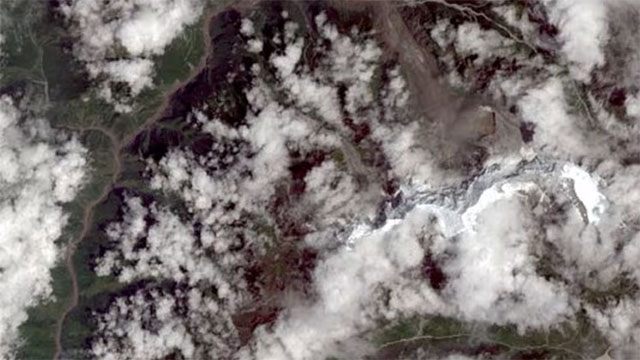
China and Nepal have agreed to strengthen cooperation following the disaster. Chinese Foreign Minister Wang Yi stated that Beijing shared critical information with Nepal, including satellite imagery, hydrological data, and early warnings about upstream barrier lakes. UN Climate Chief Stiell warned that warming temperatures are making such tragedies "much more likely, frequent and severe," while melting glaciers and thawing permafrost also destabilize mountain slopes, increasing risks of landslides and additional hazards.