Iran and Oman are reportedly nearing a deal to establish a new shipping corridor through the Strait of Hormuz, though Tehran has indicated the agreement alone will not fully resolve the waterway's closure. Attacks on commercial vessels in the strategic passage continue amid ongoing regional tensions.
Iran and Oman are close to finalizing an agreement on managing shipping traffic through the Strait of Hormuz, according to statements from Iranian officials and U.S. representatives. Iranian Foreign Minister Abbas Araqchi said the two nations are "very close" to establishing a new shipping route, with discussions ongoing regarding both temporary arrangements and a permanent framework. However, Araqchi emphasized that reopening the waterway requires additional conditions beyond the bilateral agreement, including compensation from the United States to Iran.
The proposed arrangement represents a significant shift in the status quo. According to regional sources cited this week, the deal would grant Iran some control over vessels entering the Gulf through the strait—a major concession that U.S. officials have previously stated they would not accept. The existing shipping traffic separation scheme is no longer acceptable to Tehran, officials indicated. A U.S. official told Reuters on Friday that once a deal is announced to restore commercial shipping without impediments, Washington would lift its blockade of Iranian ports, though actions would remain "performance-based" and tied to Iran's implementation of commitments.
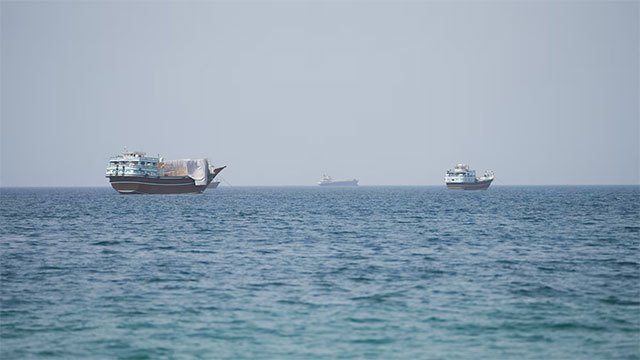
The Strait of Hormuz, which carried approximately one-fifth of the world's oil and gas shipments before recent hostilities, has been the site of escalating maritime incidents. The UAE reported Saturday that Iran had attacked a carrier affiliated with its state oil company using a missile, with no injuries reported. Abu Dhabi's national oil company stated that 15 of its vessels have been struck since the conflict began, resulting in one fatality and 20 wounded. Iran has not immediately commented on the attack allegations, though Iranian media outlets have reported similar incidents without consistently attributing responsibility to Iranian forces.
Iran's Revolutionary Guards emphasized that reopening the strait hinges on Washington accepting Iranian conditions and ceasing interference in regional negotiations. The waterway's closure has disrupted global energy supplies and contributed to rising inflation, while also prompting Iranian toll collection on transiting tankers and coordinated attacks by Iranian-aligned Houthi forces in the Red Sea region.