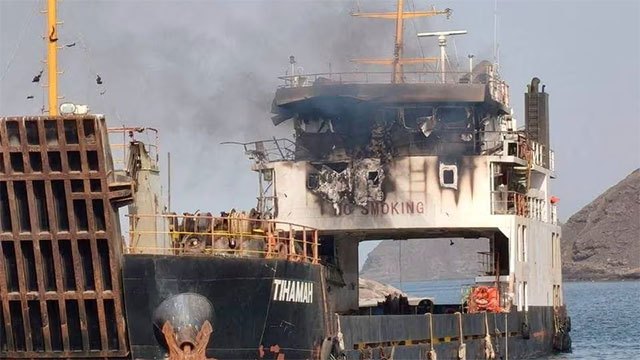
Fresh attacks on commercial vessels in strategic Middle Eastern waterways have coincided with a breakdown in diplomatic efforts, with Iran demanding the reopening of the Strait of Hormuz contingent on major concessions from the United States.
Military confrontations resumed in key global shipping lanes on Tuesday as negotiations between Tehran and Washington appeared to falter. The U.S. Navy disabled a cargo vessel it accused of violating a naval blockade on Iranian ports in the Gulf of Oman, while the Yemen-based Houthis reportedly attacked a ship in the Bab el-Mandeb Strait. According to Yemen's Transport Ministry, four crew members were killed in the Houthi attack on the Egyptian-owned Tihamah, marking what may be the first fatal incident targeting commercial shipping since hostilities intensified.
The escalating confrontations have dampened market sentiment regarding a swift resolution. Brent crude rose 1.4 percent to $88.91 per barrel, while broader equity markets declined on renewed concerns about prolonged regional instability. Iran's newly appointed security coordinator Mohsen Rezaei stated that the Strait of Hormuz—which handles approximately one-fifth of global oil and liquefied natural gas shipments—would remain closed unless Washington accepts Iran's preconditions, including the release of frozen assets and cessation of conflicts across the region.
U.S. President Donald Trump has offered conflicting signals regarding negotiations, alternating between claims of imminent breakthroughs and threats of military action. In recent remarks, Trump stated the U.S. maintains control over the Strait of Hormuz and suggested Iran faces deteriorating economic circumstances. Iranian officials have meanwhile indicated plans to develop capabilities for operations beyond their borders, signaling potential for further escalation. Thousands have reportedly been killed since military operations commenced in late February.