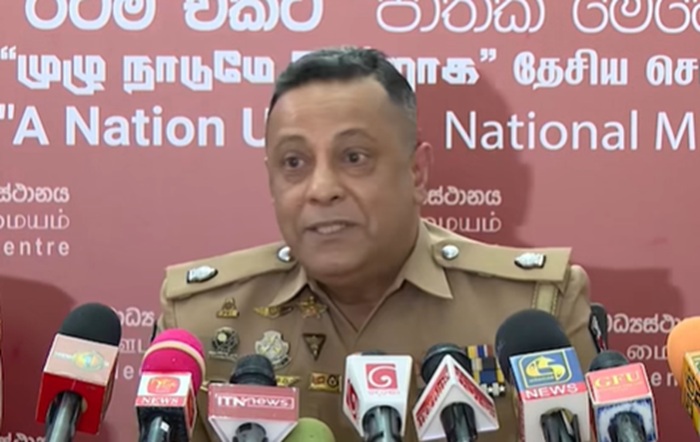
The head of Sri Lanka's anti-corruption unit has characterized the cross-border apprehension of underworld figure Kanjipani Imran as successful, while addressing scrutiny over handling procedures in a related murder case.
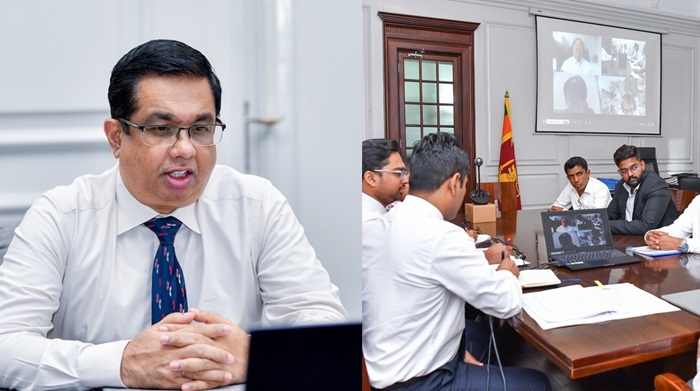
The Walana Anti-Corruption Unit's director, ASP Rohan Olugala, has responded to criticism surrounding the recent operation to capture underworld figure Kanjipani Imran, asserting that the mission achieved its objectives despite operational complexities. Olugala acknowledged that conducting enforcement actions across international borders presents distinct challenges compared to domestic operations, requiring strict compliance with foreign legal frameworks and meticulous coordination. He characterised the risks as inherent to such work, using the metaphor of diving into unfamiliar waters to describe the unit's commitment to the operation.
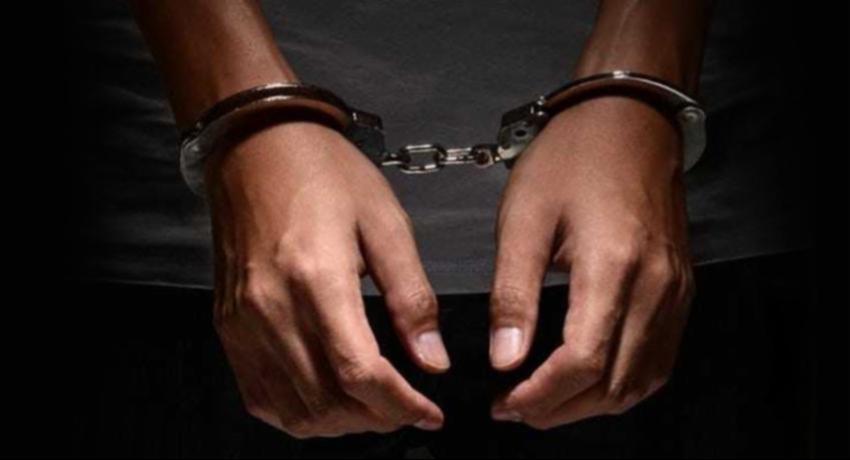
The operation has drawn additional scrutiny following the treatment of Ishara Sewwandi, identified as the primary suspect in the murder of underworld figure Ganemulla Sanjeewa. Photographs circulated in media outlets depicted Sewwandi being transported to prison without restraints and carrying personal luggage, raising questions among observers about inconsistencies in how different categories of detainees are handled by authorities. Some commentary suggested this contrasted sharply with practices applied to politicians following conviction.
Olugala addressed these concerns by clarifying the procedural context. He explained that Sewwandi's transfer followed a court appearance and was completed by the Prisons Department rather than police custody. Regarding the circumstances captured in media imagery, Olugala indicated that the prison authorities have initiated an internal investigation to examine the incident. No further details regarding the investigation's scope or timeline were provided.