The Sri Lankan rupee appreciated to 328.90/329.05 against the US dollar on Monday, while annual inflation surged to 7.2 percent in July, the highest in over three years. Meanwhile, the government announced plans to launch an offshore oil and gas exploration licensing round this year.
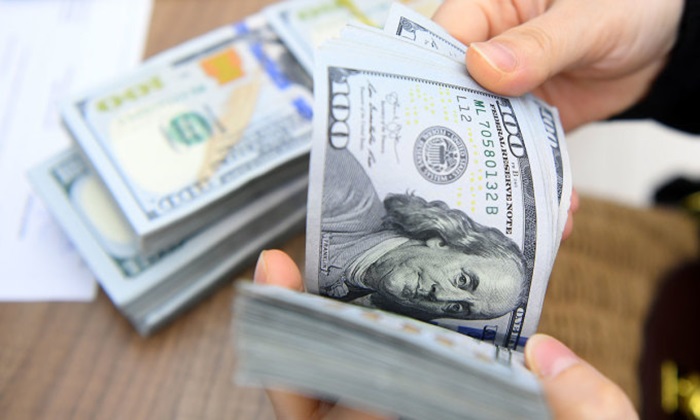
Sri Lanka's currency showed signs of recovery on Monday, with the rupee trading at 328.90/329.05 to the US dollar, strengthening from Friday's rate of 329.40/50. The appreciation marks a modest reversal in the currency's broader weakness, which has seen it depreciate significantly from historical levels. Bond yields remained relatively stable across most tenors, with some short-dated instruments showing slight downward pressure, according to market dealers.
Inflation pressures mounted during the same period, with the national Consumer Price Index rising to 7.2 percent in the 12 months to July 2026, representing the highest level since June 2023. Non-food inflation was even steeper, climbing to 9.2 percent year-on-year. The spike has pushed inflation above the Central Bank's upper target limit of 7 percent, driven largely by elevated energy prices in recent months. The Central Bank has indicated it expects inflation to moderate toward year-end if crude oil prices stabilize around US$90 per barrel.
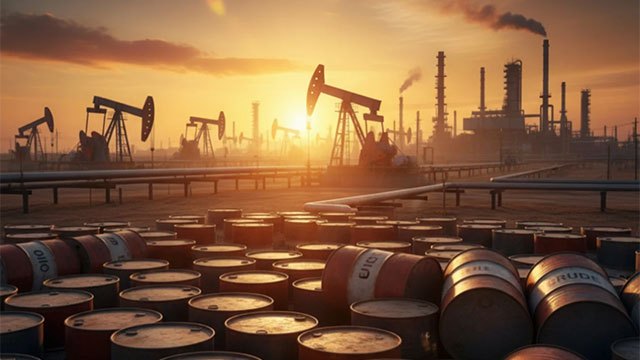
On the energy front, the state-run Petroleum Development Authority announced it will unveil details of a new licensing round for offshore oil and gas exploration this year. The initiative aims to attract international energy companies to develop commercially viable gas accumulations identified off the western coast. Prior discoveries by Cairn India in 2011 confirmed substantial natural gas reserves, though commercial production never materialized. The new licensing framework, underpinned by the 2021 Petroleum Resources Act, represents another effort to reduce the country's dependence on imported energy and stimulate industrial growth through domestic hydrocarbon development.
Separately, the government outlined plans to provide interest-free loans of up to 25 million rupees to small and medium-scale rice millers to purchase paddy at government-guaranteed prices. Agriculture Minister Lal Kantha acknowledged the Paddy Marketing Board's limited capacity to handle the entire harvest. Opposition Leader Sajith Premadasa disputed the adequacy of the pricing scheme, arguing that guaranteed prices do not provide farmers with sustainable incomes.