A parliamentary dispute has erupted over whether the Government's objections to a proposed all-MP briefing on constitutional matters constituted threats, with the Bar Association of Sri Lanka citing such conduct as reason to postpone the session.
The Bar Association of Sri Lanka (BASL) postponed a planned briefing for all 225 Members of Parliament on the proposed 22nd Constitutional Amendment and judicial appointments, citing what it described as a "position of the Government expressed threat" in a letter dated August 19. BASL President Rajeev Amarasuriya stated that the association had sought bipartisan consensus for the session but found no Government interest in facilitating it, prompting the postponement request until such participation could be assured.
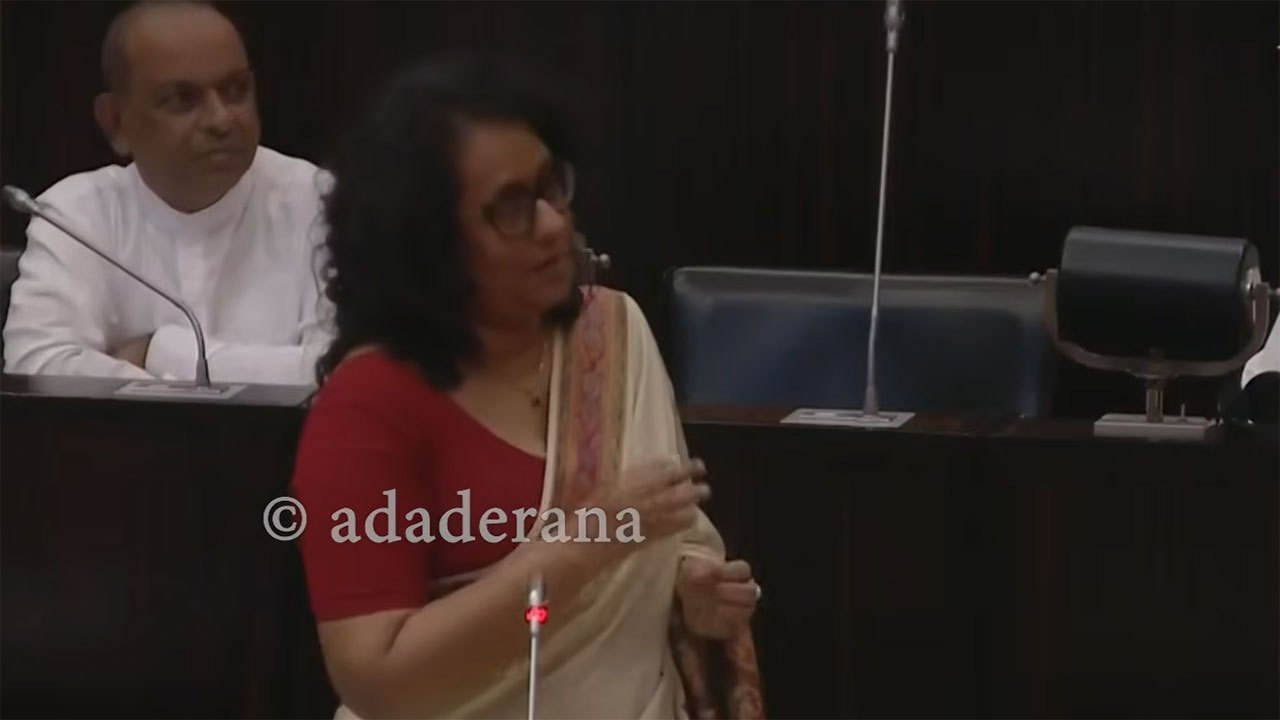
The dispute centers on differing interpretations of parliamentary exchanges. Government Minister Dr. Nalinda Jayatissa challenged the characterization of the Government's position as threatening, arguing that the Leader of the House had merely outlined parliamentary procedures and conventions. Jayatissa contended that routine disagreements during parliamentary debate should not be labeled as threats and questioned whether such language aligned with democratic traditions and parliamentary custom.
Opposition Leader Sajith Premadasa defended the BASL's assessment, arguing that certain Government MPs adopted a threatening tone during parliamentary discussions. Premadasa emphasized that the Bar Association, as an independent institution, held the right to express its interpretation of events and that freedom of expression is constitutionally protected. Samagi Jana Balawegaya MP Ajith P. Perera, a senior bar member, similarly defended the association's prerogative to voice concerns about threats or attempts to diminish the organization.
The dispute reflects a broader disagreement about whether the Government's objections amounted to procedural arguments or constituted implicit threats. Jayatissa maintained that Parliament has experienced more intense debates without procedural disagreements being officially characterized as threats. The exchange underscores tensions surrounding not only the proposed constitutional reforms but also fundamental questions about parliamentary conduct and institutional independence.