Bangladesh is conducting its first contested presidential election since 1991, with the ruling BNP's Mirza Fakhrul Islam Alamgir facing retired Colonel Oli Ahmad of the opposition alliance, though the outcome appears predetermined by parliamentary arithmetic.
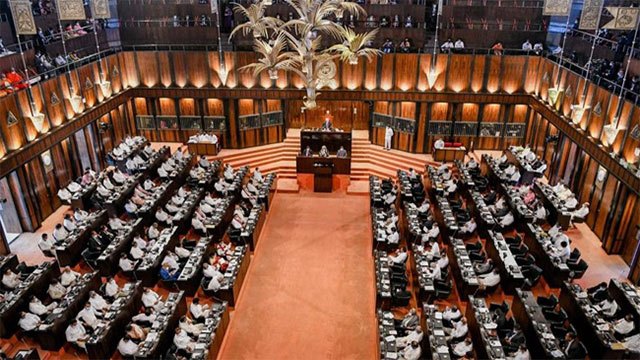
Bangladesh held a presidential election on Thursday with 349 parliamentary members voting between 08:00 and 11:00 GMT, marking the country's first contested presidential race in 35 years. The ruling Bangladesh Nationalist Party (BNP) nominated 78-year-old Mirza Fakhrul Islam Alamgir, one of the party's most prominent leaders and current minister for local government, rural development and cooperatives. He faces retired Colonel Oli Ahmad, 85, a decorated 1971 Liberation War veteran and six-time former parliamentarian nominated by a Jamaat-e-Islami-led 11-party opposition alliance.
The election result was widely anticipated given the numerical advantage held by the governing party. With 247 of 349 eligible lawmakers belonging to the BNP compared to 90 from the opposition alliance, Alamgir was positioned to win decisively. This contest was triggered by the resignation last month of incumbent Mohammed Shahabuddin, who was elected unopposed in 2023. The previous contested presidential election occurred in October 1991, when BNP candidate Abdur Rahman Biswas defeated Awami League nominee Badrul Haider Chowdhury by a narrow margin.
Despite the predictable outcome, the election carried symbolic weight for a nation undergoing institutional reforms following the August 2024 uprising that ended Prime Minister Sheikh Hasina's 15-year rule. Political scientist Ali Riaz cautioned that while a contested election represented democratic progress, its practical governance significance remained limited given the president's constitutionally constrained powers. The position requires the president to act on the prime minister's advice in most matters, with exceptions only for appointing the prime minister and chief justice.
Opinions among Bangladeshis on the candidates remained divided. Some praised Alamgir's personal integrity and constituency work, while others favored Ahmad's experience and questioned whether the BNP had fulfilled its reform commitments. Notably, Ahmad's nomination by the Jamaat—which opposed Bangladesh's 1971 independence—presented a striking historical irony given his role as a Liberation War fighter. The election also revived constitutional debates about Article 70, which can strip lawmakers of parliamentary seats for voting against their party, raising questions about whether such restrictions should apply to presidential votes.