The JVP-NPP government faces mounting pressure to address Sri Lanka's fragile economic position, with foreign reserves falling short of targets needed for debt sustainability by 2028, even as it prioritizes judicial reforms.
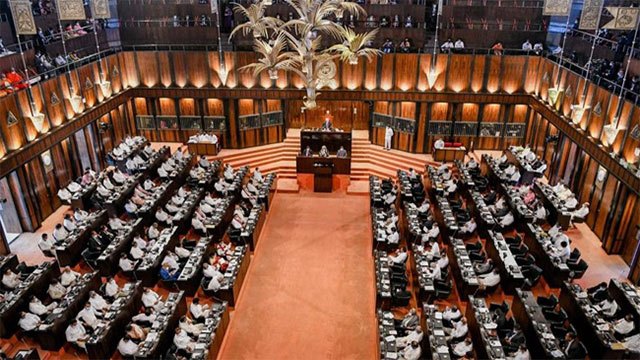
The current administration has shifted focus toward constitutional amendments raising mandatory retirement ages for Supreme Court and Court of Appeal judges, a move critics attribute to declining approval ratings and efforts to consolidate political control rather than tackle pressing economic concerns. This direction has drawn scrutiny from former President Ranil Wickremesinghe, who questioned the government's capacity to resume foreign debt repayment as scheduled in 2028.
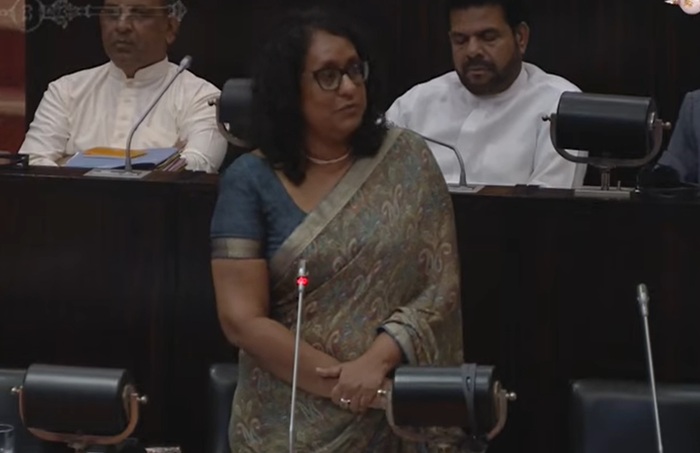
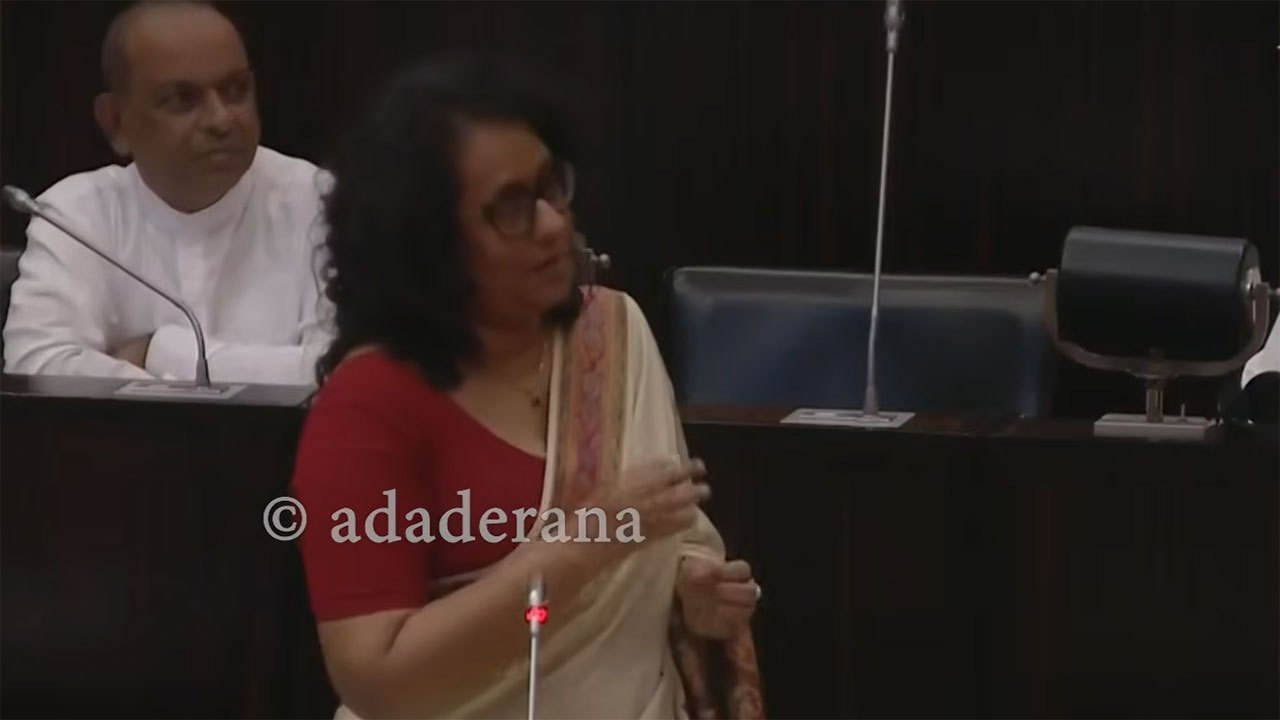
According to Deputy Minister of Finance and Planning Dr. Anil Jayantha Fernando, Sri Lanka has repaid USD 2.6 billion in foreign debt while maintaining reserves around USD 6.6 billion. However, Wickremesinghe has emphasized that the country requires foreign reserves exceeding USD 14 billion by 2028 to achieve genuine debt sustainability—a substantially higher target that demands concrete economic strategies beyond political statements.
The current government's economic position reflects consequences of policy reversals following the 2024 regime change. While the previous SLPP-UNP administration had restricted vehicle imports to preserve foreign reserves, the incumbent government lifted these restrictions, generating significant tax revenue but triggering an import surge valued at approximately USD 3.5 billion in letters of credit. This move, combined with international oil price pressures from regional tensions, has weakened the rupee and strained forex reserves despite increased government revenues.
During the 2024 election campaign, JVP-NPP leaders had criticized predecessors for failing to manage Sri Lanka's approximately USD 50 billion foreign debt and promised that foreign investors would readily invest under their governance. Observers note these commitments have yet to materialize substantially. As demonstrated during the 2022 Aragalaya uprising, public support for any government deteriorates rapidly during economic hardship, suggesting the administration's long-term viability depends on demonstrating tangible economic recovery rather than pursuing institutional reforms.