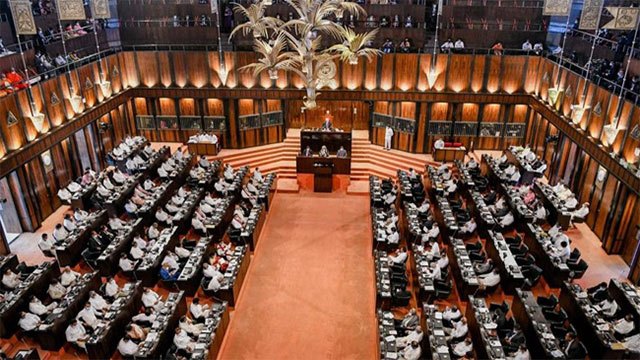
Parliament witnessed disagreement over whether a Bar Association of Sri Lanka delegation should brief all MPs on judicial vacancies, with the Government and Opposition clashing over proper procedural requirements.
A procedural disagreement emerged in Parliament regarding a proposed briefing by the Bar Association of Sri Lanka (BASL) on unfilled vacancies in the Supreme Court and Court of Appeal. Opposition Leader Sajith Premadasa requested that Speaker Jagath Wickramaratne facilitate the participation of all 225 MPs, stating the initiative originated from BASL itself and that he had first raised the matter on July 31. Premadasa clarified that he sought only to have all MPs informed of the meeting, not to personally convene Parliament.
Leader of the House Bimal Ratnayake rejected the arrangement, contending that meetings involving all MPs must follow established parliamentary procedures and receive approval from the Parliamentary Business Committee and the Leader of the House. Ratnayake emphasized that no individual or external organization possessed authority to summon all Members of Parliament outside formal channels. He also cautioned that permitting one professional body to address Parliament informally could prompt similar requests from other organizations.
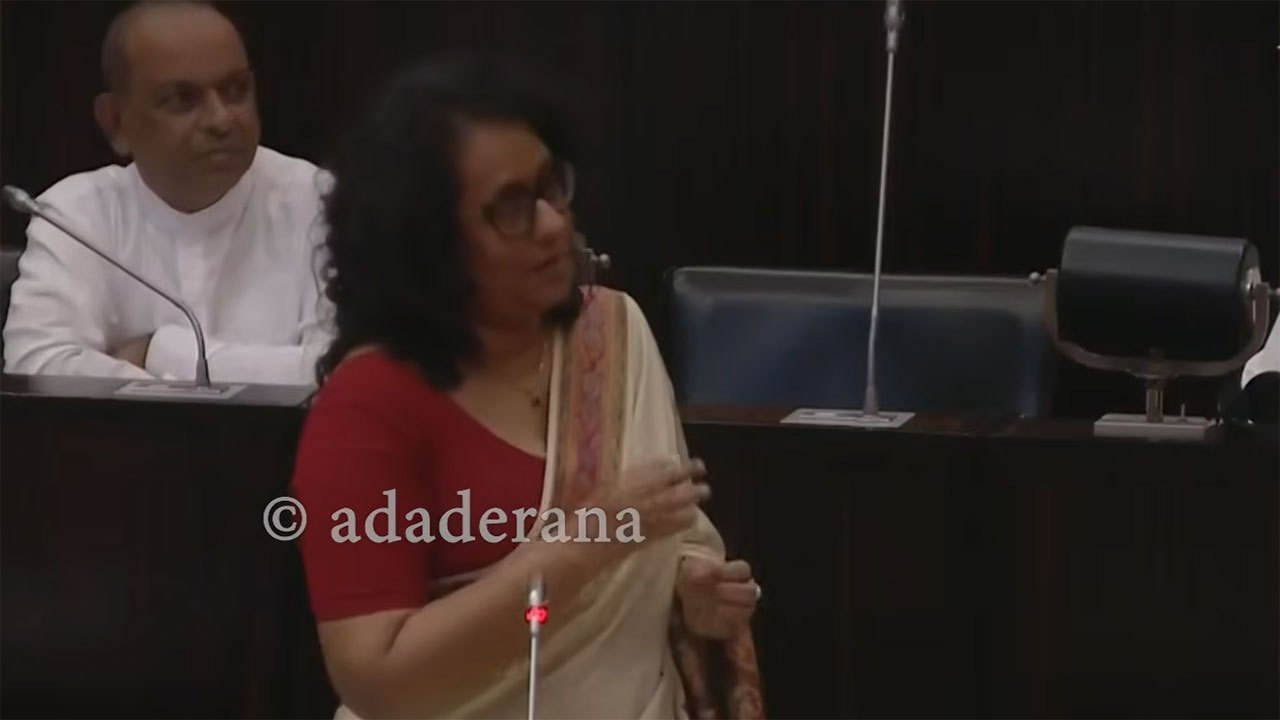
The disagreement intensified when Ratnayake referenced an August 4 statement from BASL itself, which rejected the proposed approach and questioned whether the Opposition Leader had the authority to arrange such a meeting on the Association's behalf without consultation. The Business Committee subsequently determined that the proposed arrangement did not conform to parliamentary practice. MP Mano Ganesan intervened to distinguish between notifying MPs of a meeting and formally summoning them, suggesting these represented separate procedural questions.
Ratnayake affirmed that Opposition representatives remained free to organize meetings with professional organizations for their own party members, but arrangements involving all MPs required adherence to prescribed parliamentary procedures. The core dispute centered on procedural compliance rather than whether MPs could engage with BASL, though the matter remained unresolved at the time of reporting.