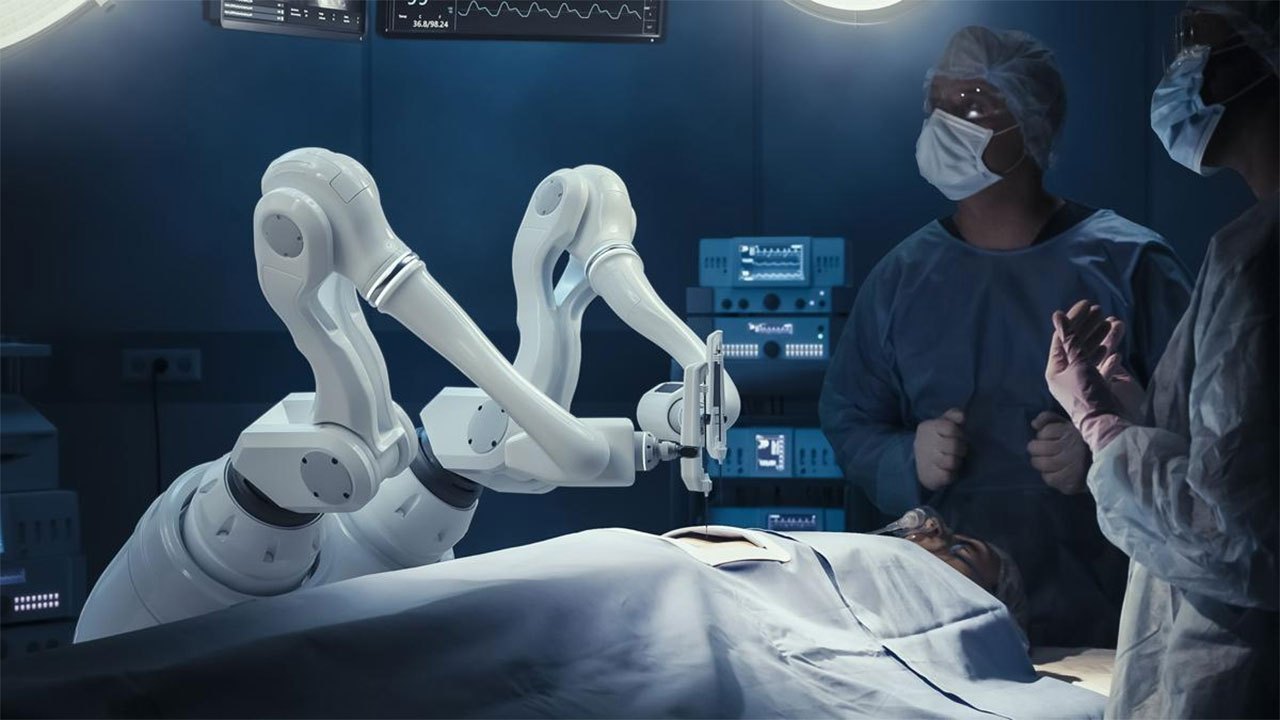
Surgeons at a London hospital have successfully performed the world's first brain tumour removal surgery with real-time artificial intelligence assistance, allowing them to safely extract an 11mm growth from a patient's pituitary gland while preserving his vision.
Rhys Hibbert, a 48-year-old customer services manager from Bedfordshire, became the first patient to undergo brain surgery with live AI support when neurosurgeons at University College London Hospital removed a non-cancerous tumour from his pituitary gland in May. The operation was kept confidential during his recovery period. Without the procedure, medical staff indicated that Hibbert faced potential blindness as the tumour pressed on his optic nerves, narrowing his peripheral vision.
The AI system functioned as a real-time advisory tool during surgery, analysing video footage from an endoscope inserted through the patient's nose to the base of his skull. The artificial intelligence identified and highlighted critical anatomical structures—particularly blood vessels and nerves—that surgeons needed to avoid during tumour extraction. Trained on hundreds of previous pituitary tumour removal procedures, the system operated similarly to facial recognition technology but identified hidden brain structures instead. Surgeons retained full control throughout the procedure, with the AI providing guidance rather than making decisions.
The surgery addressed significant complications Hibbert had experienced following his 2024 diagnosis. Beyond vision problems, he suffered severe fatigue, dizziness, and hormone imbalances that had progressively worsened. The procedure presented inherent risks, with historical complication rates suggesting a 25-50% chance of incomplete tumour removal and a 0.5-2% chance of major blood vessel injury.
Eight weeks after surgery, Hibbert reported substantial improvement, describing restored vision and recovered energy levels. The research team, led by Professor Hani Marcus, envisions developing AI assistance into a broader surgical tool resembling a "ChatGPT for surgeons." Funded by the National Institute for Health and Care Research and Google, the team is progressing toward larger clinical trials. Health officials emphasised that while AI integration presents opportunities for medical advancement, proper safety safeguards remain essential.