The European Union has expressed support for Spain's handling of a major migrant influx into the North African territory of Ceuta, though some member states remain critical and have taken measures like suspending Schengen zone agreements.
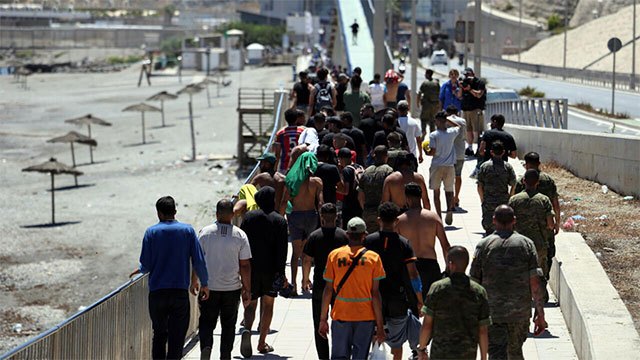
Spain faced a sudden surge in migration when approximately 72,000 people crossed into the Spanish territory of Ceuta between July 30 and 31, with Spanish authorities reporting that around 70,000 have since been returned to Morocco. The crossing resulted in significant loss of life, with at least 75 deaths recorded on the Spanish side of the border and 11 in Morocco. EU interior ministers convened on Tuesday to discuss the crisis, with the bloc's leadership emphasizing the need for unified European action on migration policy.
The incident has exposed divisions within the European Union over how to manage border security. While most EU nations expressed solidarity with Spain, several countries expressed alarm at images from Ceuta, with Italy suspending its Schengen zone agreement with Spain and describing the situation as a security threat. Finland, Denmark, and the Czech Republic supported similar measures, while 23 countries jointly communicated concerns about the crisis. Spanish Prime Minister Pedro Sánchez dismissed what he characterized as attacks driven by "prejudice, fake news, ignorance, or political interest," noting that Ceuta does not fall under the Schengen zone.
Authorities have attributed the sudden surge to criminal networks and social media misinformation, though the precise trigger remains unclear. The crossings followed a Spanish Supreme Court ruling preventing the summary return of migrants intercepted at sea. Some migrants cited poor economic circumstances and a desire for better opportunities in Europe, while others described harrowing experiences. Concerns have been raised regarding the treatment of remaining migrants, particularly unaccompanied minors, with reports of approximately 800 children being housed in city facilities. Spain has allocated roughly 25 million euros to assist vulnerable migrants, while the EU has offered emergency financial support to strengthen border management.