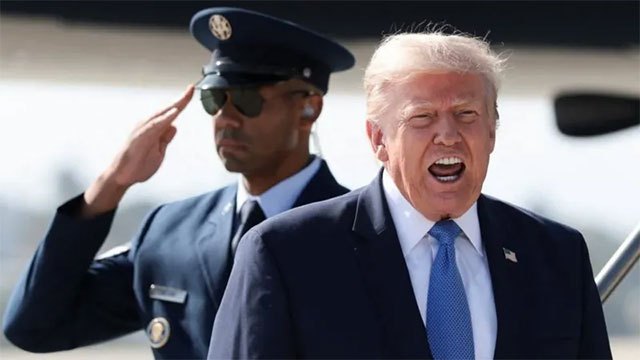
US President Donald Trump has warned Iran of severe consequences if the Strait of Hormuz is not reopened soon, as senior officials report progress in negotiations that have already pushed oil prices down nearly 5 percent.
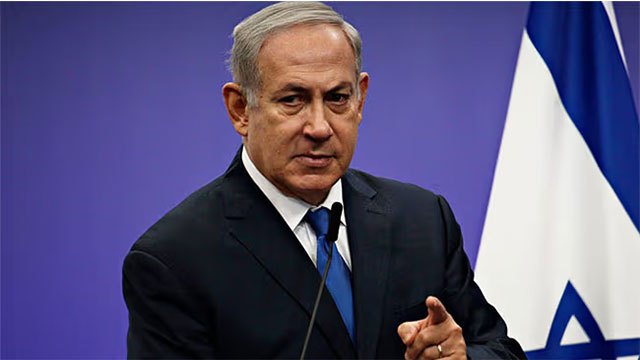
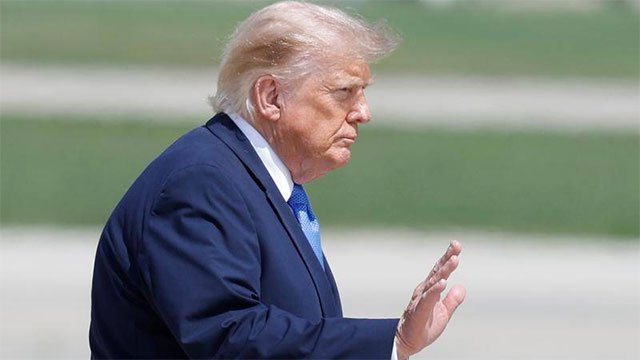
Donald Trump stated that Iran would face significant military action if shipping through the Strait of Hormuz does not resume within the coming days. Speaking to Fox News during a California visit, Trump claimed Iran was willing to negotiate and suggested a resolution was imminent. This assertion contrasts with Iran's own statements, as a spokesman for Iran's foreign ministry denied direct negotiations with the United States, asserting instead that discussions were being conducted through Oman as a mediator.
US Treasury Secretary Scott Bessent and Secretary of State Marco Rubio both signalled optimism about reaching an agreement, with Bessent suggesting a deal could materialise by Tuesday or Wednesday. These remarks sparked immediate market reactions, with Brent crude oil falling below $80 per barrel—a decline of almost 5 percent—while US West Texas Intermediate dropped over 5 percent to $76. Both benchmarks hit their lowest levels since mid-July. However, analysts have cautioned that previous rounds of talks have failed to produce lasting results, contributing to market volatility that has ultimately increased fuel costs for consumers globally.
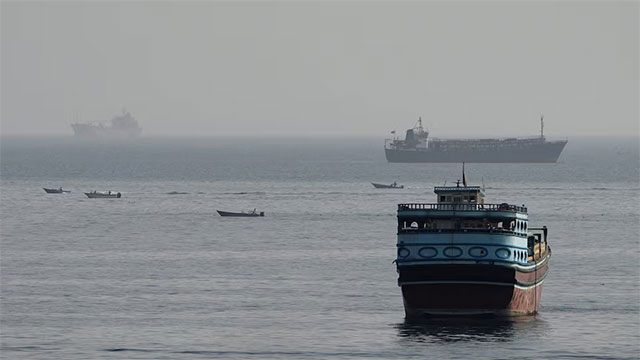
The Strait of Hormuz remains a critical chokepoint for global energy supplies, handling approximately one-fifth of daily oil and liquefied natural gas shipments before the conflict began in late February. Iran has significantly restricted traffic through the waterway, while the US maintains a naval blockade of Iranian ports. Additional shipping disruptions stem from Houthi attacks in the Red Sea and blockades affecting Saudi Arabian ports. Recent incidents include the sinking of an Indian-flagged vessel near Yemen, with all crew members rescued.
The prolonged uncertainty has driven fuel prices to levels unseen since the conflict's onset. In the United Kingdom, petrol averages £1.60 per litre, while US gasoline prices exceed $4 per gallon on average. These elevated prices have generated substantial profits for major oil companies including BP, Shell, Chevron, and ExxonMobil.