A Saudi Arabian Public Investment Fund-led group has finalized the $55 billion purchase of Electronic Arts, taking the gaming company private in what is considered the largest leveraged buyout in history.
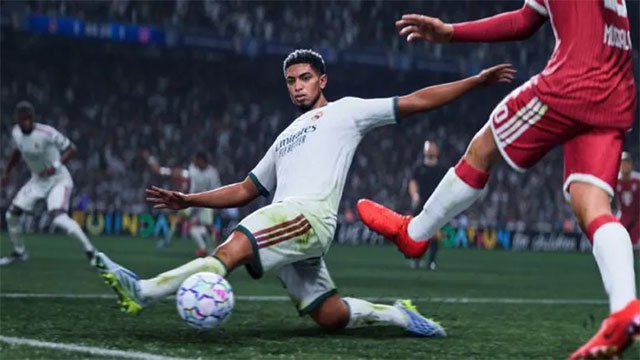
The acquisition of Electronic Arts by a consortium including Saudi Arabia's Public Investment Fund (PIF) and Affinity Partners—led by Jared Kushner—has been completed, marking a significant shift in ownership for one of the gaming industry's largest publishers. The $55 billion deal takes EA private, meaning its shares will no longer trade publicly. The company, which produces popular titles including EA FC (formerly FIFA), The Sims, and Mass Effect, will now be entirely owned by the investment group.
The acquisition is structured as a leveraged buyout, with PIF contributing $36 billion while borrowing an additional $20 billion from JPMorgan to complete the transaction. This debt structure has raised concerns among industry analysts about EA's future operations. Bloomberg's Jason Schreier suggested the arrangement could lead to "mass layoffs, more aggressive monetization, and other big cost-cutting measures," while Game Business editor Christopher Dring noted that private equity firms typically employ aggressive management approaches.
The deal has drawn significant criticism from advocacy groups concerned about creative freedom and representation in EA's games. Players Alliance HQ launched a campaign urging gamers to petition politicians, citing concerns that Saudi ownership could influence decisions regarding themes of free speech, gender representation, and LGBTQ+ inclusion—particularly given Saudi Arabia's legal treatment of same-sex conduct. EA CEO Andrew Wilson, who will retain his position, stated the firm plans to "create transformative experiences to inspire generations to come."
Analysts suggest PIF's interest in EA extends beyond financial returns. Author George Osborn noted the investment represents "soft power" acquisition, giving Saudi Arabia influence over gaming and sports through EA's relationships with 20,000 players, 750 clubs, and 35 professional leagues. This strategy aligns with PIF's broader investments in football clubs and esports, though some observers characterize such spending as "sportswashing"—using sports investments to improve public perception while deflecting from human rights concerns. The acquisition ranks as gaming's second-largest deal, after Microsoft's $69 billion purchase of Activision Blizzard.