Sri Lanka faces increased competition from India following the EU-India Free Trade Agreement, particularly threatening the apparel sector which relies heavily on European markets. Industry officials are urging the government to strengthen compliance standards and secure favorable trade arrangements to maintain export…
The European Union's trade agreement with India presents a significant competitive threat to Sri Lankan exporters, particularly given that Europe accounts for approximately 25% of Sri Lanka's merchandise exports and represents the country's second-largest export market after the United States. The accord is expected to substantially improve India's access to European markets through tariff liberalisation across multiple sectors, including apparel, marine products, leather, chemicals, and jewellery, with many products receiving duty-free treatment once the agreement takes effect.
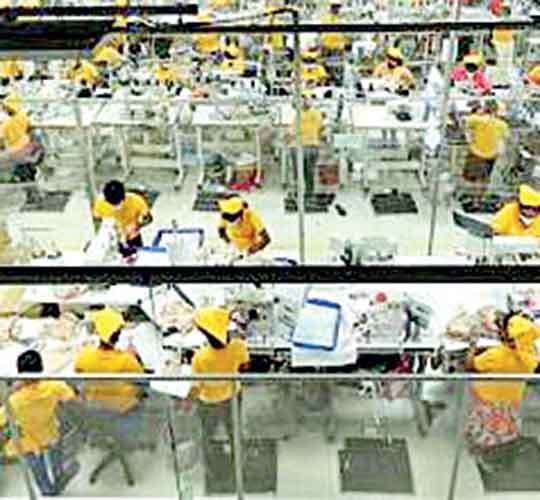
Sri Lanka's apparel industry faces the most acute pressure, as it already operates in a highly price-sensitive global market. Industry representatives have raised concerns about rules of origin and regional cumulation arrangements, particularly regarding fabric and inputs sourced from India. The Joint Apparel Association Forum Secretary General Yohan Lawrence warned that without appropriate cumulation provisions, Sri Lankan manufacturers could face additional disadvantages while Indian competitors gain preferential tariff access in Europe.
Export Development Board Chairman Mangala Wijesinghe emphasized the need for Sri Lanka to move swiftly to maintain its preferential status under the EU's Generalised Scheme of Preferences Plus scheme. He advocated positioning the country as a reliable supplier of high-quality, sustainable products rather than competing primarily on price. The EDB indicated it would engage with EU officials to negotiate cumulation arrangements with India to protect export competitiveness and enable regional supply chain integration.
Recent data shows Sri Lankan exports to the EU grew modestly by 2.49% year-on-year in the first half of 2026 to $1.49 billion. Analysts noted that while India's tariff advantages provide competitive benefits, sustainability standards, environmental performance, and regulatory compliance remain important differentiators in European markets, potentially offering Sri Lankan exporters an opportunity to compete through value addition and differentiation rather than price alone.