
Shipping through a critical global energy chokepoint has nearly halted following fresh attacks on vessels and American threats of prolonged economic isolation against Iran. The standoff marks a significant escalation in regional tensions with potential consequences for global oil supplies.
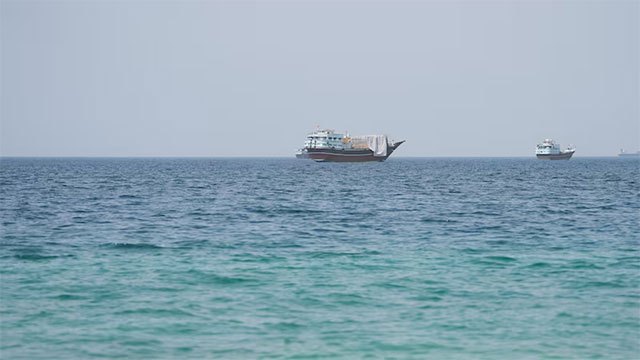
Maritime traffic through the Strait of Hormuz has dropped sharply to near-standstill levels following fresh attacks on commercial vessels and renewed US commitments to maintain economic and military pressure on Iran. Only three ships passed through the waterway on Friday, according to ship tracking data from Kpler, contrasting starkly with the pre-conflict average of more than 130 daily transits. The decline follows attacks on two United Arab Emirates-flagged vessels on Thursday evening, which the UAE government attributed to Iran.
US officials have hardened their stance toward Tehran, signalling an extended confrontation. Defense Secretary Pete Hegseth stated that American naval forces can indefinitely sustain a blockade through rotating deployments, while Treasury Secretary Scott Bessent promised unprecedented economic measures against Iran in the coming week. These announcements come as Washington has reimposed shipping restrictions on Iran that were temporarily lifted in June, cutting off a major source of hard currency for Tehran.
Iran has set conditions for reopening the strait, demanding the removal of economic sanctions and the release of frozen assets. An Iranian parliamentary committee this week approved a plan that would restrict transit of vessels and equipment from the US, Israel, and other designated hostile nations. A senior Iranian source previously stated that recent diplomatic talks had yielded no progress toward rebuilding a June ceasefire agreement.
The blockade has raised concerns about global energy security, with crude oil prices holding steady at approximately $81-87 per barrel. Analysts note that Iran's ability to restrict shipping through the strait—through which roughly one-fifth of global oil and liquefied natural gas previously flowed—represents its primary leverage in negotiations. Global economists warn that prolonged disruptions could trigger significant economic slowdown or recession in some regions.