Iran has defied US pressure by maintaining restrictions on shipping through the strategic Strait of Hormuz, while President Trump urged Americans to accept higher fuel prices as the conflict continues with no peace talks in sight.
Tensions between the United States and Iran have intensified as the two sides remain deadlocked over control of the Strait of Hormuz, a critical global oil transport route. Iran's Deputy Foreign Minister Kazem Gharibabadi declared on Saturday that the waterway would remain under Tehran's command, stating that Iran would continue enforcing its blockade until the US abandoned what he characterized as unrealistic war objectives. The Iranian official rejected the notion that external pressure could compel his country to open the strait, dismissing both military threats and political demands.
The standoff has severely disrupted global energy supplies. Before February 28, when the US and Israel began military operations, approximately one in five barrels of the world's oil exports transited the strait daily. Current data shows only a handful of vessels now navigating the waterway, with no visible crude oil shipments on Friday. Those few ships attempting passage risk missile or drone strikes from Iranian forces, with attacks on Emirati vessels reported on consecutive days.
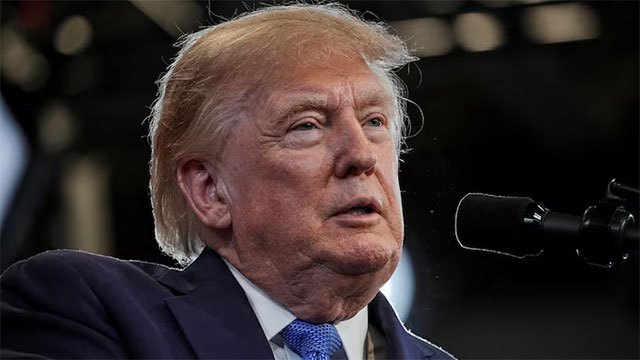
The restrictions have driven oil prices upward, with benchmark crude futures recording weekly gains near 6 percent. US gasoline prices have climbed to approximately $4.08 per gallon, representing a 29 percent increase over the past year. At a political rally in New York on Friday, President Trump acknowledged the higher fuel costs but framed them as an acceptable trade-off for preventing Iran from developing nuclear weapons. Iranian President Masoud Pezeshkian, meanwhile, blamed inflation within Iran on US port blockades and sanctions targeting Iranian oil exports.
Prospects for diplomatic resolution remain dim. Iranian Foreign Minister Abbas Araqchi stated that no decision has been made to resume negotiations with the United States, though mediators Qatar and Pakistan continue limited contact with Tehran. A tentative June agreement to end hostilities has collapsed, and both governments have signaled intentions to escalate economic pressure. Treasury Secretary Scott Bessent announced additional sanctions measures against Iran were forthcoming.



-850985_850x460.jpg)