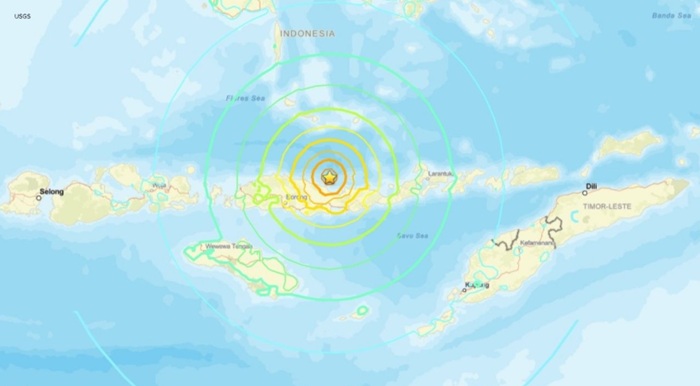
A major earthquake centred off Flores island in eastern Indonesia has caused significant damage and at least one death, though authorities confirm Sri Lanka faces no threat from the event.
Sri Lanka's Disaster Management Centre has confirmed there is no threat to the island nation following a magnitude 7.7 earthquake that struck off the coast of Flores in Indonesia on Saturday morning. The quake, which struck approximately 68 kilometres northwest of Ende in East Nusa Tenggara province around 6 a.m. local time, caused considerable disruption across the densely populated island.
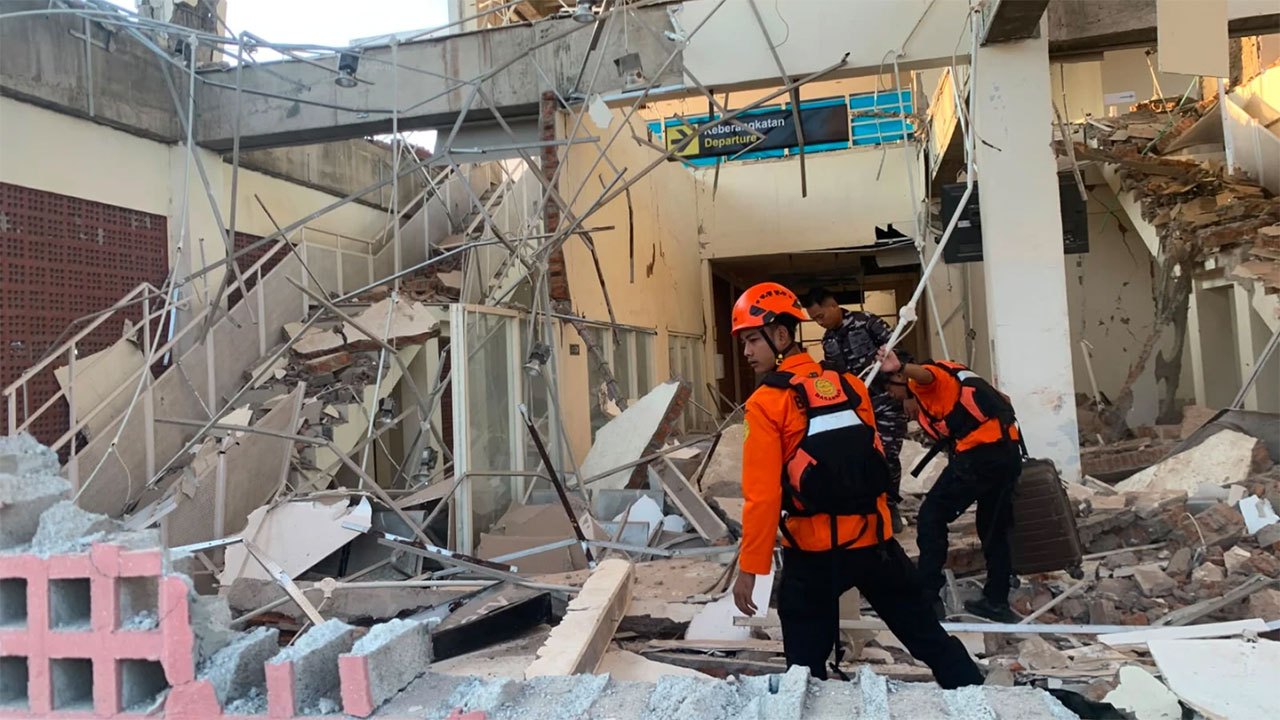
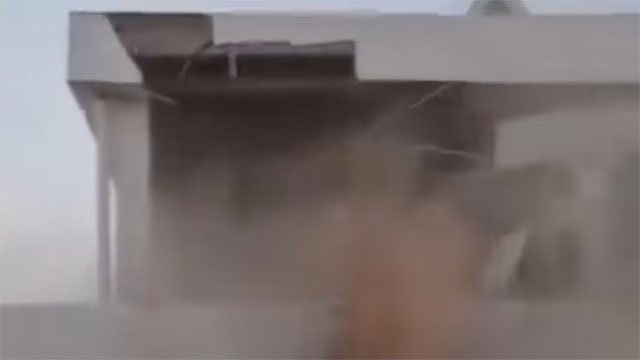
According to Indonesia's national disaster mitigation agency BNPB, at least one person was killed in the incident, a figure revised down from an initial death toll of two. The powerful tremor damaged numerous structures across the region, with preliminary assessments indicating approximately 15 buildings sustained damage, including residential properties and government offices. Social media footage captured buildings collapsing and residents fleeing their homes in panic as dust engulfed the area. The US Geological Survey noted that roughly 500,000 people were exposed to very strong or severe shaking, capable of causing slight to moderate damage to well-constructed buildings and serious damage to poorly built structures.
The earthquake triggered a tsunami warning that was later lifted by authorities. In response, approximately 2,000 residents from Nageko regency evacuated as a precautionary measure. The US Geological Survey confirmed the quake was followed by a series of aftershocks. Search and rescue operations were immediately deployed to the affected area, with BNPB noting that the archipelagic terrain, consisting of numerous islands, presents challenges to emergency access efforts.
Flores, part of the Sunda island chain and home to approximately 2 million people largely distributed across small villages, lies within Indonesia's highly seismically active region. The country sits on the Pacific Ring of Fire, one of the world's most earthquake-prone zones, making such seismic events relatively common.



-850985_850x460.jpg)