
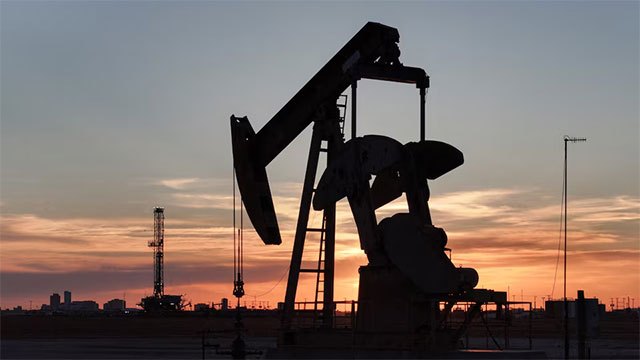
Global crude oil prices fell approximately 5% following President Trump's announcement that US forces would refrain from launching additional strikes on Iran, with negotiations for a Middle East ceasefire reportedly underway.
Oil markets responded swiftly to President Donald Trump's statement that he would direct U.S. military forces to suspend new strike operations against Iran, signaling potential progress toward resolving the regional conflict. According to AP-Agencies reporting, Trump indicated that a deal to conclude the fighting—which has persisted for over five months—appeared within reach.
The announcement triggered a significant market correction, with U.S. crude oil declining 5% to $80.79 per barrel and Brent crude, the international benchmark, falling 5% to $83.87 per barrel on Sunday night. A resolution to the conflict could enable oil tankers to resume normal transit through the Persian Gulf, where vessels carrying petroleum and other cargo have remained stranded due to the hostilities.
The extended conflict has created considerable economic disruption across multiple sectors. Since the U.S. and Israel initiated military operations on Iran in late February, oil prices have experienced extreme volatility, surpassing $100 per barrel on multiple occasions during spring months. These elevated energy costs have cascaded through global supply chains, increasing gasoline and jet fuel prices and subsequently raising transportation costs for consumers and businesses. Some nations experienced fuel shortages severe enough to necessitate rationing and temporary closures of schools and government facilities.
Despite the recent decline, crude oil prices remain approximately 20% higher than their pre-conflict levels. The prolonged disruptions benefited petroleum companies, which recorded substantial profits during periods of elevated prices, though consumers globally have borne the burden through increased fuel and transportation expenses.