
Government and industry stakeholders gathered to review a strategic roadmap aimed at accelerating Sri Lanka's digital sector growth and achieving US$5 billion in digital exports within four years.
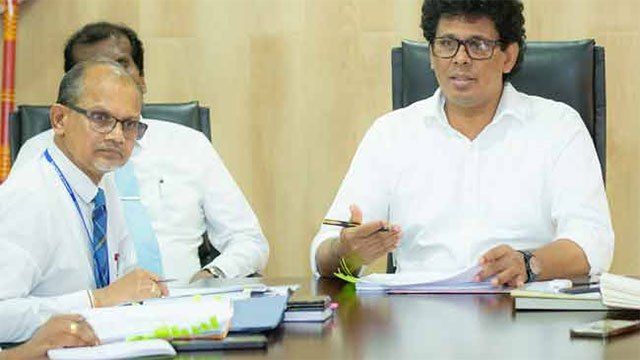
A national workshop convened on Friday in Colombo brought together government officials, technology companies, entrepreneurs and international development partners to assess and refine Sri Lanka's strategy for expanding its digital economy. Organised by the Ministry of Digital Economy and GovTech Sri Lanka with World Bank technical support, the event focused on reviewing a comprehensive roadmap designed to position the nation's digital industry for significant growth through 2030.
The strategic roadmap emerged from an assessment prepared by KPMG consultants in collaboration with the World Bank Group, the Ministry of Digital Economy and GovTech Sri Lanka. According to organisers, the document will serve as an evidence-based framework to enhance international competitiveness, expand employment opportunities and enable local digital products to access global markets. Deputy Minister Eranga Weeraratne and Senior Presidential Adviser Dr Hans Wijayasuriya opened discussions alongside Victor Antonypillai, Lead Industry Specialist at the International Finance Corporation.
Workshop participants engaged in targeted discussions addressing critical areas for sector development. Key themes included workforce development and future-ready skills, innovation strengthening and support for independent professionals, global market expansion strategies, and the policy infrastructure required for sustained growth. Particular emphasis was placed on artificial intelligence's impact on business models and employment, developing high-value intellectual property-based exports, and creating channels for local innovations to reach international markets.
Following the workshop, officials indicated the roadmap will be further refined based on stakeholder feedback. The next phase involves developing an integrated action plan that identifies priority actions, assigns institutional responsibilities, establishes implementation timelines and defines measurable progress indicators. Government representatives present included Deputy Minister Chathuranga Abeysinghe and senior officials across relevant ministries.