India's Mukhyamantri Majhi Ladki Bahin scheme, which provides monthly payments to women in Maharashtra, has come under audit review after over nine million beneficiaries were removed during a verification process and the government exceeded its budget by over 35 billion rupees.
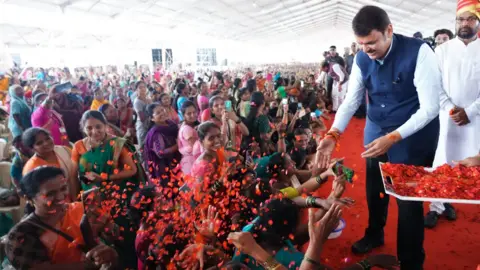
Maharashtra's Ladki Bahin scheme, launched in June 2024 ahead of state elections, has enrolled more than 26 million women with monthly payments of 1,500 rupees ($17) each. The initiative aimed to promote women's financial independence and help lower-income households meet expenses, covering women aged 21 to 65 while excluding income-tax payers, government employees and those already receiving similar welfare benefits. For beneficiaries like Nirmala Bawaskar, a widow and housemaid, the scheme provided her first personal bank account and financial autonomy she had previously lacked.
The scheme now faces significant implementation challenges. India's national auditor reported that Maharashtra's Women and Child Development Department overspent its authorised budget by 35.41 billion rupees in the first financial year, spending 332.37 billion rupees total on Ladki Bahin. Additionally, a government verification drive removed more than nine million beneficiaries, with about two-thirds failing to complete mandatory electronic identity verification, while others were found ineligible due to income limits, age requirements or duplicate claims. The government also identified nearly 29,000 men and about 8,000 government employees who had received payments.
Minister Aditi Tatkare stated the verification process reduced beneficiaries from 26.3 million to approximately 17 million, though she characterised the incomplete identity verification as distinct from fraud. The auditor additionally criticised the government for transferring 155.86 billion rupees into special accounts in the final three months without immediate need, saying this weakened financial discipline. The Maharashtra government has not publicly responded to the audit findings.
Welfare economist Neeraj Hatekar argues the scheme meaningfully assists women with irregular income, noting that the 1,500-rupee payment is substantial compared to average daily earnings of 300 rupees. However, economist Ajit Ranade warned of long-term fiscal consequences, questioning whether short-term electoral gains justify potential damage to state finances. Other experts suggest similar outcomes could be achieved through stronger public services in healthcare, education and childcare.